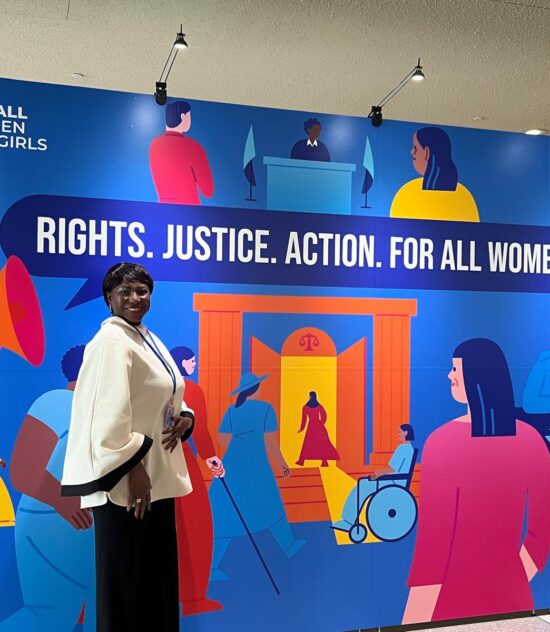
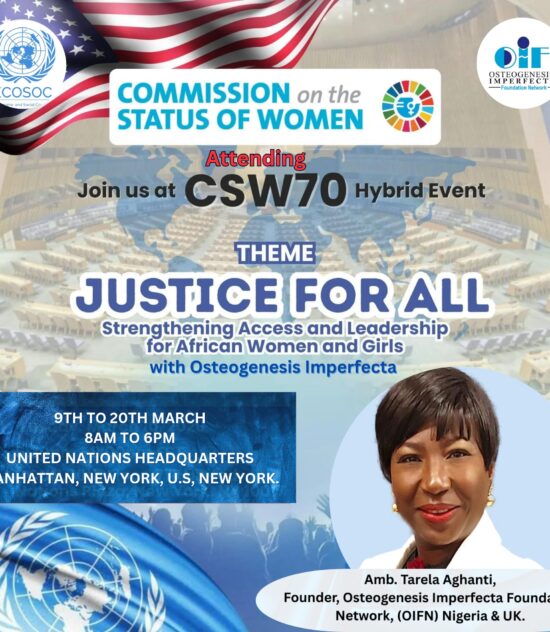
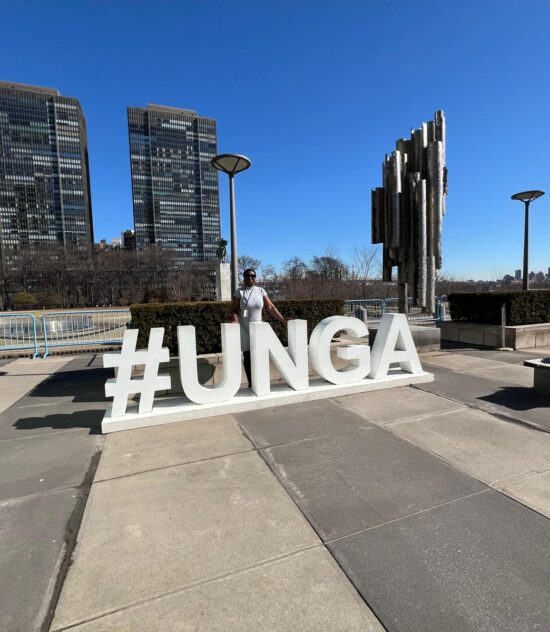
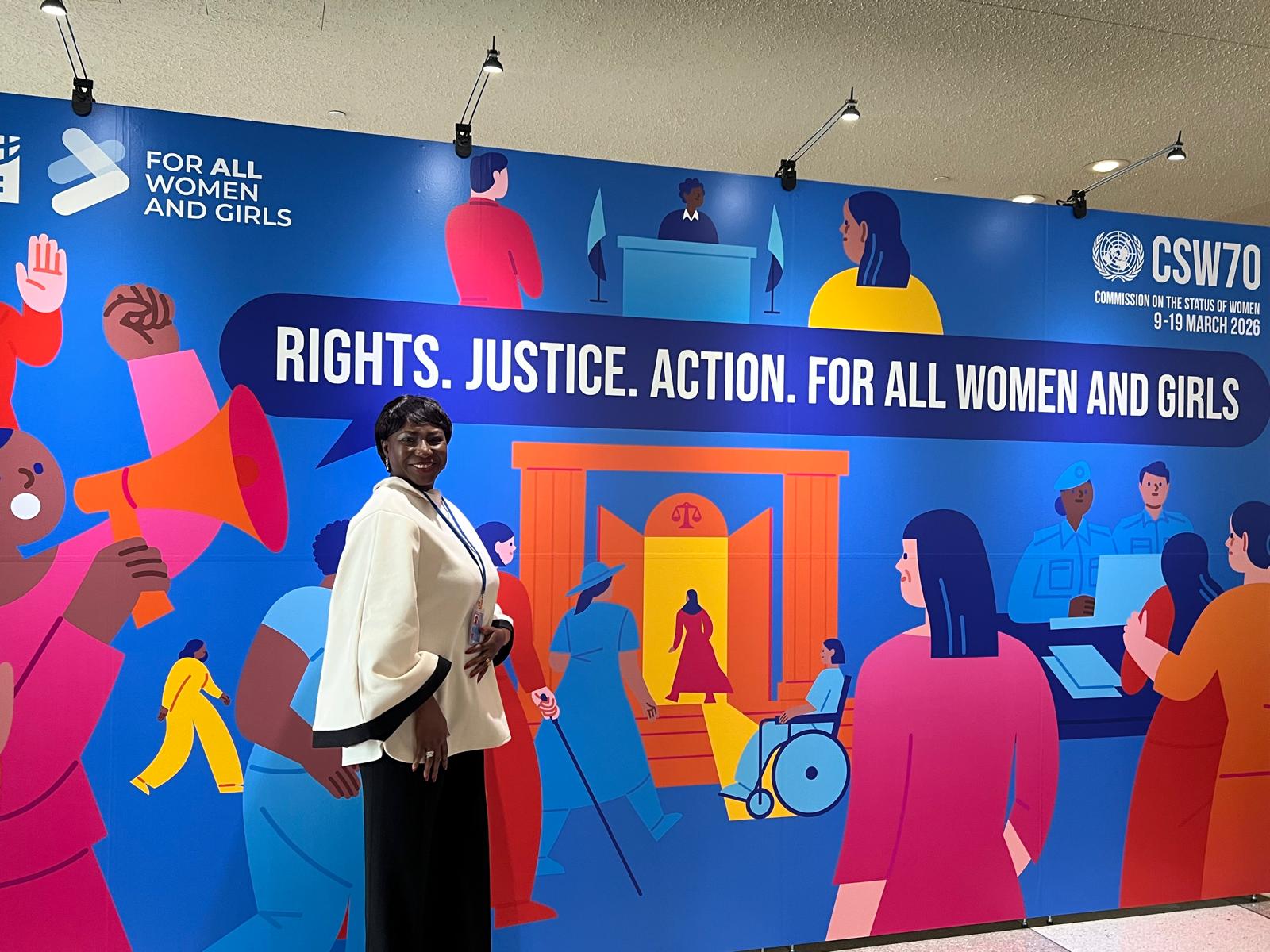
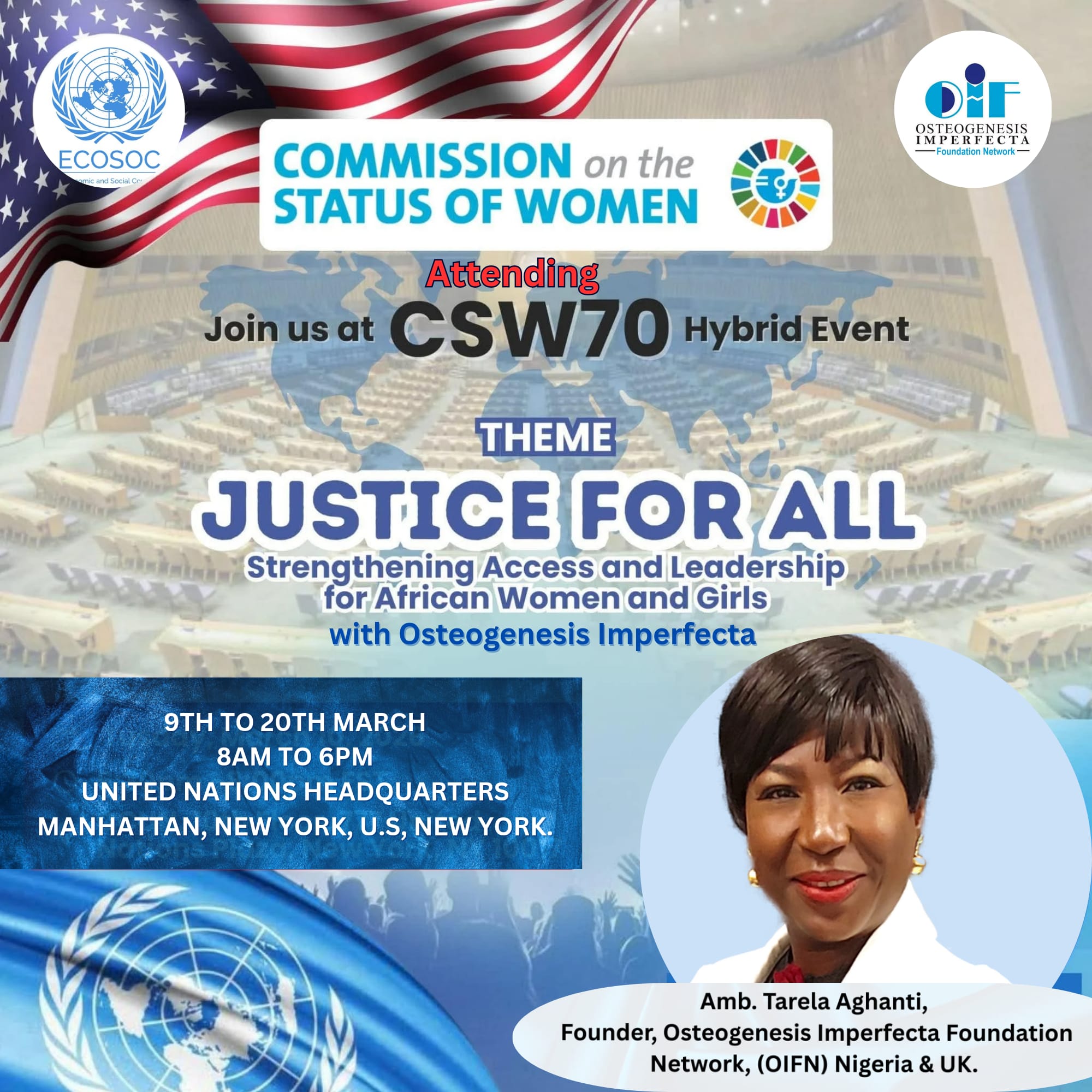
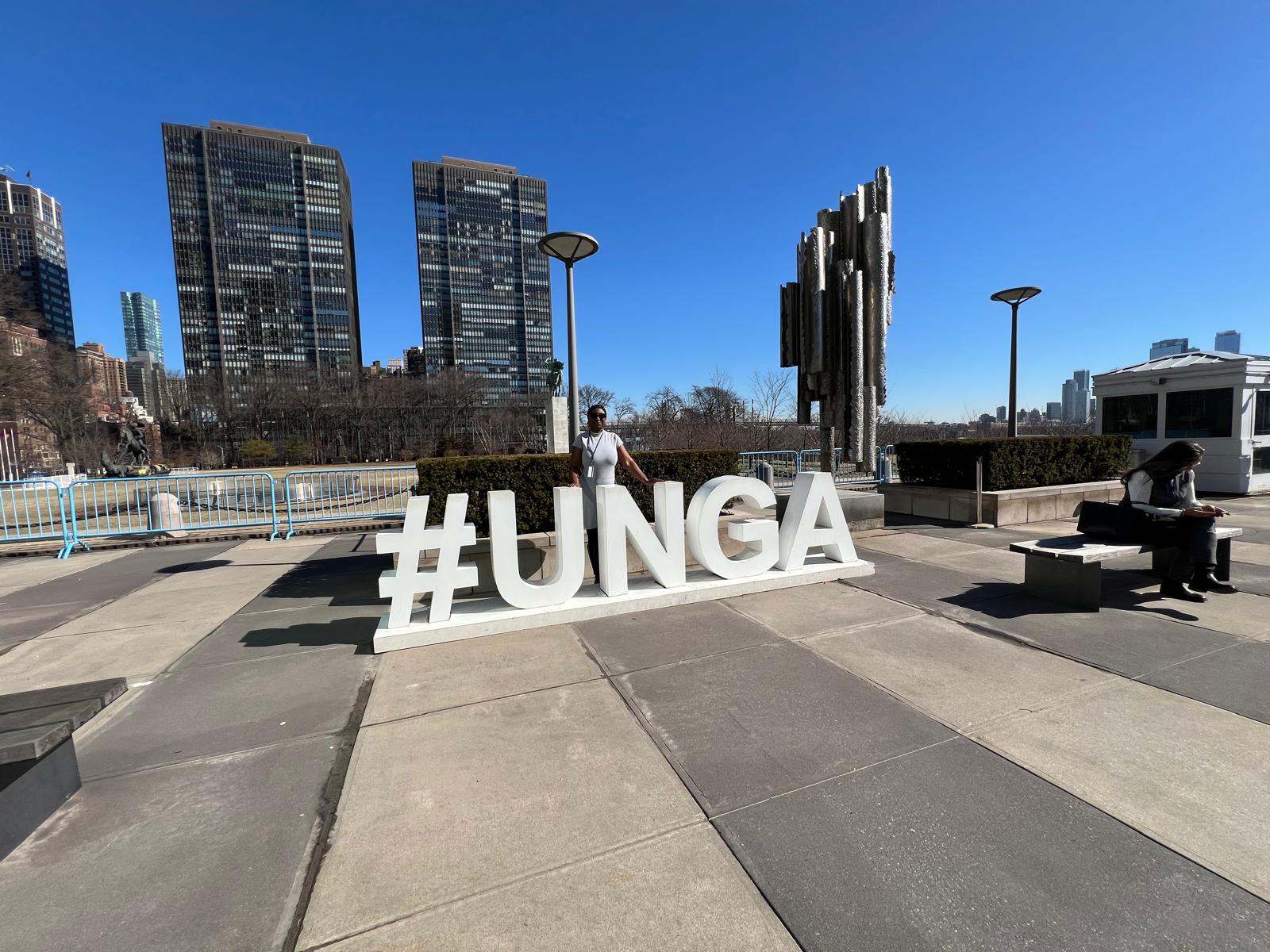
The Osteogenesis Imperfecta Foundation Network participated in the 70th session of the Commission on the Status of Women, reinforcing its commitment to advancing inclusive systems and equal access to justice for women and girls worldwide. Representing the organisation were its President, Tarela Aghanti, and Vice President, Louise.
As an organisation with special consultative status under the United Nations Economic and Social Council, OIFN contributed to global conversations focused on strengthening justice systems to better serve women and girls. A central message emerging from the session was clear: access to justice must extend beyond legislative frameworks and be reflected in systems that are safe, accessible, and responsive to the lived realities of those they are designed to protect.
These discussions closely align with OIFN’s mission to advocate for inclusion, equal rights, and equitable access to services for individuals living with Osteogenesis Imperfecta (OI)—particularly women and girls, who often experience intersecting forms of discrimination and exclusion.
A key highlight of CSW70 was a high-level session on advancing the rights of women and girls in Africa through legal reform, hosted by Rwanda, Tunisia, Cabo Verde, and the United Nations Population Fund. During the session, Diene Keita underscored a critical challenge: while many countries have enacted laws to protect women and girls, gaps in implementation and enforcement continue to limit their impact.
For OIFN, this reinforces the urgent need to bridge the divide between policy and practice. Justice systems must not only exist—they must respond. Women and girls seeking justice should encounter institutions that affirm their dignity, amplify their voices, and provide protection without barriers.
Building Pathways for Future Impact
Participation in CSW70 presents significant opportunities for OIFN to expand its global impact and strengthen its advocacy efforts:
• Global Partnerships: Engaging with international stakeholders, governments, and civil society organisations creates pathways for strategic collaborations that advance disability inclusion and gender equality.
• Policy Influence and Reform: OIFN is well-positioned to contribute to shaping inclusive legal frameworks that address the unique challenges faced by persons with disabilities, particularly those living with OI.
• Strengthened Advocacy Voice: Participation amplifies the visibility of OI within global development and human rights agendas, ensuring that rare conditions are not left behind.
• Knowledge Exchange: Connecting with global leaders and advocates enables the sharing of best practices and innovative approaches to inclusive justice.
• Sustained Global Engagement: OIFN looks forward to deepening dialogue and collaboration throughout and beyond CSW70, translating insights into actionable programmes and long-term impact.
The engagement also provided a valuable platform to connect with diverse organisations and advocates from across the world who are driving progress in empowering and advancing women and girls.
OIFN remains committed to building a future where justice systems are inclusive, accountable, and accessible to all—ensuring that no woman or girl, including those living with Osteogenesis Imperfecta, is left unseen, unheard, or unprotected.
![Osteogenesis Imperfecta Foundation Network [OIFN]](https://oifn.org/wp-content/uploads/2024/07/logo_oif.png)